Mastering Paperwork Decluttering
Posted on: 2026-06-09
By: Clara Bennett
Feeling buried under a mountain of paperwork? You’re in good company! Many individuals struggle with paper clutter, and understanding how it affects us is the first step toward reclaiming our spaces. With the right strategies, you can transform chaos into calm, enhancing both your productivity and mental well-being.
What You Will Learn
- The impact of paper clutter on focus, mood, and productivity, highlighting its detrimental effects on daily life.
- Common sources of paper accumulation, including junk mail, receipts, and medical documents, and how to minimize them.
- Document retention guidelines to help you determine what to keep and what to discard for legal and personal records.
- Effective strategies for handling sentimental documents while maintaining a tidy space.
- Proven techniques to prevent the relapse of clutter after decluttering, ensuring long-lasting organization.
- Tips for maintaining a clean workspace that enhances productivity and promotes a peaceful environment.
Key Guidelines for Document Retention
Understanding how long to keep various types of documents can significantly reduce clutter and enhance organization. For more insights on decluttering, consider exploring effective steps to declutter your home.
Legal and Tax Documents
- Tax Returns: Keep for at least 3 years.
- Property Records: Hold onto as long as you own it, plus 7 years after selling.
- Contracts: Keep for the duration plus at least 6 years after expiration.
- Wills and Trust Documents: Keep indefinitely.
Personal and Family Papers
- Birth Certificates and Passports: Keep indefinitely.
- School Records: Retain until the child is 18.
- Medical Records: Keep for at least 5 years after treatment.
- Insurance Policies: Hold until policy expires plus 3 years.
Understanding the Need for Decluttering Paperwork
Have you ever felt overwhelmed by stacks of paper clutter? You’re not alone! Many of us accumulate paperwork without realizing the impact it has on our daily lives. Understanding the need for decluttering paperwork is the first step toward creating a more organized and peaceful environment. When our spaces are filled with clutter, it can lead to increased stress and decreased productivity.
Paper clutter not only takes up physical space but can also create mental chaos. Just imagine searching through piles of documents for one important paper—frustrating, right? By tackling this issue, we can transform our surroundings into a serene space where we can focus on what truly matters, enhancing our overall well-being.
The Impact of Paper Clutter on Daily Life
Paper clutter can infiltrate every aspect of our lives, from our homes to our workspaces. It can distract us, hinder our productivity, and even affect our mood. Studies show that a messy environment can lead to feelings of anxiety and overwhelm. Who wants that? Clearing out excess paper can create a sense of accomplishment and calm!
To truly grasp the impact of paper clutter, consider these points:
- It can reduce focus and concentration.
- It makes important documents harder to find.
- It can create a sense of guilt or shame for not being organized.
At Clean Simple Lifestyle, we believe that a decluttered environment leads to a clearer mind. Taking the time to understand how paper clutter affects you is crucial for making lasting changes. For further reading, discover minimalism's impact on mental health.
Identifying Common Sources of Paper Accumulation
Before we can declutter, we need to identify where the paper is coming from! By recognizing common sources of paper accumulation, we can take proactive steps to minimize future clutter. Typical sources include:
- Junk mail and advertisements
- Receipts from purchases
- Old magazines and newspapers
- School papers and assignments
- Medical or insurance documents
Understanding these sources can help us set boundaries on what we keep. For instance, consider opting out of junk mail subscriptions or going digital with your bills. Every little step counts toward a more organized lifestyle!
As you embark on your decluttering journey, keep these sources in mind. Awareness is key to preventing future paper piles from sneaking into your space.
Quick Summary
Here's a brief recap of the key points discussed so far:
- Decluttering paperwork can significantly reduce stress and enhance productivity.
- Identifying common sources of paper accumulation is crucial for preventing future clutter.
- Understanding document retention guidelines helps in managing essential papers effectively.
- Implementing strategies for handling sentimental documents can ease the decluttering process.
Understanding Document Retention Guidelines
When it comes to managing your paperwork, understanding document retention guidelines is crucial. Knowing how long to keep different documents can save you from unnecessary clutter and stress. Plus, it can help ensure that you’re complying with legal and tax requirements!
Many people wonder what documents they need to hang onto and which ones can be tossed. Generally, legal and tax documents come with specific storage rules that you should follow. This includes tax returns, contracts, and any legal agreements. Keeping these organized can provide peace of mind in the long run.
Legal and Tax Document Storage Rules
Legal and tax documents can pile up quickly, but how long should you keep them? Here are some important guidelines to follow:
- **Tax Returns**: Keep for at least 3 years.
- **Property Records**: Hold onto these as long as you own the property, plus 7 years after selling.
- **Contracts**: Keep for the duration of the contract plus at least 6 years after expiration.
- **Wills and Trust Documents**: Keep indefinitely.
By following these guidelines, you can ensure you’re not holding onto unnecessary paperwork. This is a key aspect of maintaining a Clean Simple Lifestyle—having only what you need! For additional tips on managing your belongings, consider resources on a beginner's guide to minimalist living.
Retention Timelines for Personal and Family Papers
It's just as important to consider your personal and family papers. These documents often carry sentimental value, but they can also take up a lot of space. Here’s a simple timeline for keeping these records:
- **Birth Certificates and Passports**: Keep indefinitely.
- **School Records**: Retain until the child is 18.
- **Medical Records**: Keep for at least 5 years after treatment.
- **Insurance Policies**: Hold onto until the policy expires and then for 3 years after.
By knowing what to keep and for how long, you can dramatically reduce clutter and focus on what truly matters. Let's strive for that serene space together!
Essential Documents: What to Keep and What to Discard
Identifying which documents are essential is a key step in your decluttering journey. Start by creating a list of papers that are vital for your records. Here’s a quick guide:
- **Keep**: Tax documents, legal agreements, birth and marriage certificates.
- **Discard**: Old receipts, expired warranties, and junk mail.
- **Review Regularly**: Check your files every year to remove outdated documents.
With Clean Simple Lifestyle, I believe that a well-organized paperwork system leads to a clearer mind. The less clutter, the more peace you can cultivate in your home and life!
Addressing Common Questions About Paper Management
As you embark on your decluttering journey, you may have questions about managing your paperwork effectively. It’s completely normal to feel a little overwhelmed! Let’s tackle some common queries.
Understanding how to deal with sentimental documents can be particularly tricky. The key is to find a balance between keeping memories and maintaining a tidy space. Ask yourself: "Will this document bring me joy or serve a purpose?" If not, it might be time to say goodbye!
FAQs About Paper Decluttering and Retention
- How long should I keep tax returns?
- You should keep tax returns for at least 3 years, though some experts recommend up to 7 years for auditing purposes.
- What's the best way to handle sentimental documents?
- Consider creating a dedicated memory box, digitizing important items, and being selective about which physical documents you keep.
- How can I prevent paper clutter from returning?
- Implement a "one-in-one-out" rule, conduct regular check-ins, and establish boundaries for incoming papers.
- What are common sources of paper accumulation?
- Junk mail, receipts, old magazines, school papers, and medical documents are common culprits.
- Why is decluttering paperwork important?
- Decluttering paperwork reduces stress, enhances productivity, improves focus, and creates a more peaceful environment.
How to Handle Sentimental Documents
Sentimental documents can be challenging to sort through. Here are some strategies to help:
- **Create a Memory Box**: Designate a container for the papers that mean the most to you.
- **Digitize Important Items**: Scan and store them digitally to save space.
- **Limit the Keepers**: Be selective about what stays; aim to keep only the most meaningful items.
By applying these strategies, you’ll find it easier to let go of less significant documents while still cherishing the important ones. Remember, it's all about finding a balance!
Strategies for Preventing Relapse After Decluttering
After you’ve successfully decluttered, it’s essential to have a plan to prevent clutter from creeping back in. Here are some effective strategies:
- **One-In-One-Out Rule**: For every new paper you add, remove one from your system.
- **Regular Check-Ins**: Set a monthly reminder to review your paperwork and keep only what you need.
- **Establish Boundaries**: Limit the space for incoming papers to maintain control over what comes in.
By putting these strategies into practice, you can maintain a clean and organized paperwork system with ease! Need more ideas for keeping your space tidy? Check out these simple ways to organize supplies.
Clutter Reduction: Maintaining a Clean Workspace
Finally, keeping your workspace tidy is crucial for productivity. A clutter-free environment leads to a clearer mind. Here are some quick tips for maintaining that clean look:
- **Daily Tidy-Up**: Spend 5-10 minutes every day to put things back in place.
- **Organize Regularly**: Dedicate time each week to sort through paperwork and eliminate what’s no longer needed.
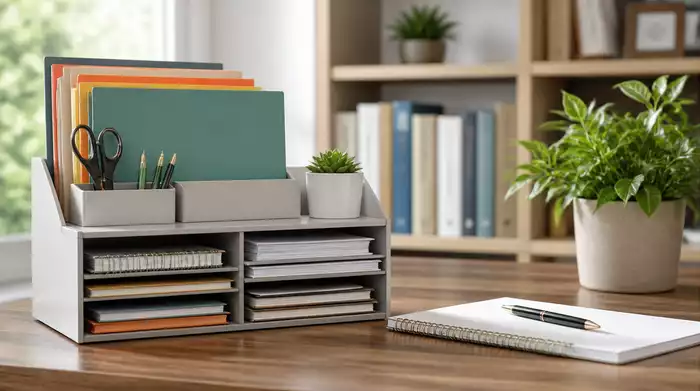
- **Utilize Organizers**: Implement trays and bins to keep papers sorted and accessible.
Remember, it’s not just about decluttering; it’s about creating a lifestyle that embraces simplicity and peace. With this approach, you’re well on your way to a more organized life! For more comprehensive advice on maintaining a clutter-free environment, explore our minimalist rubbish removal tips.
Recap of Key Points
Here is a quick recap of the important points discussed in the article:
- Decluttering paperwork is essential for reducing stress and enhancing productivity.
- Common sources of paper accumulation include junk mail, receipts, and old magazines.
- Understand document retention guidelines to know what to keep and for how long, particularly legal and tax documents.
- Create a list of essential documents to keep and regularly review your files to discard outdated papers.
- Implement strategies for handling sentimental documents, such as creating a memory box and digitizing important items.
- Prevent future clutter by applying the one-in-one-out rule and setting regular check-ins for paperwork reviews.
- Maintain a clean workspace through daily tidy-ups and utilizing organizers for better accessibility.

 Imagine coming home to a tranquil space where both you and your pets can truly relax. A minimalist l
 Did you know that decluttering your attic can significantly reduce stress and transform your home en
 Did you know that a well-organized home filing system can save you time, reduce stress, and prepare